
ADMFm
A patent medicine vendor serving a mother and child at a shop counter

Affordable Diagnostics and Medicines Facility for malaria

Where the programme stands today

Every figure on this page is computed from the programme's own transaction record at the moment the page loads. Nothing is typed in by hand.

₦2.04bn
Subsidy committed
₦0.17bn
Subsidy drawn to date
6
Pilot states
321,847
Verified dispenses that gate a claim

Six pilot states, and the headroom beyond them

All 36 states and the Federal Capital Territory are drawn. The six pilot states carry a value, summed from their own daily aggregates.

Abia. Subsidy drawn ₦23,577,559.

Drawing the map.

State detail

Abia

4 local government areas reporting, 14.1% of the subsidy drawn across the pilot.

Tests performed
48,158
Courses dispensed
16,098
Subsidy drawn
₦23,577,559
Outlets active, peak day
59
Day 3 follow-up
72.0%

Programme status

On track

19 of 22 instrumented pilot targets met. 2 of the 24 are not yet instrumented. Read from the programme transaction record when this page loaded.

On track, 86% of targets met

Where the programme falls short

Proportion of outlets with stock of pre-qualified mRDTs and ACTs
Reading 85.0%, pilot target 90%
Number of conditional cash transfers disbursed to PPMVs
Reading 0.961, pilot target 1
Percentage of participating outlets geocoded
Reading 99.3%, pilot target 100%

Not yet instrumented

Percentage of targeted outlets receiving commodities as scheduled
No reading is computed: the record carries no planned date to measure this against.
Percentage of target ACTs and mRDTs timely manufactured and reported
No reading is computed: the record carries no planned date to measure this against.

The five questions a minister asks

Each answer is one reading from the programme record, shown against the pilot target set in the indicator framework.

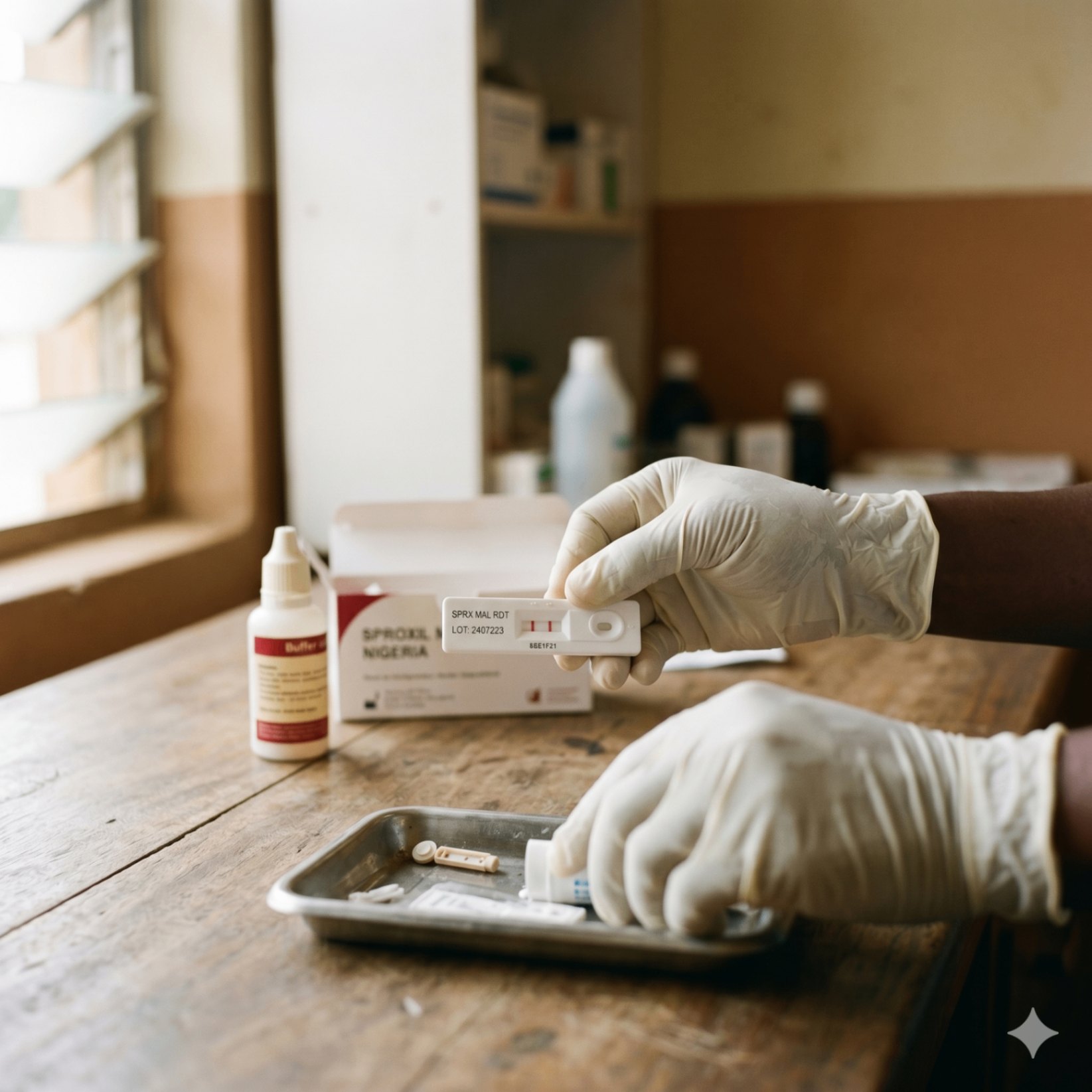
A health worker reading a malaria rapid diagnostic test cassette

Are people being tested before they are treated?

100.0%

Pilot target 85%

Every subsidised course in the record is linked to a test on the same client and the same day. A febrile client treated without any test never enters the record, so this reads system linkage rather than provider behaviour.
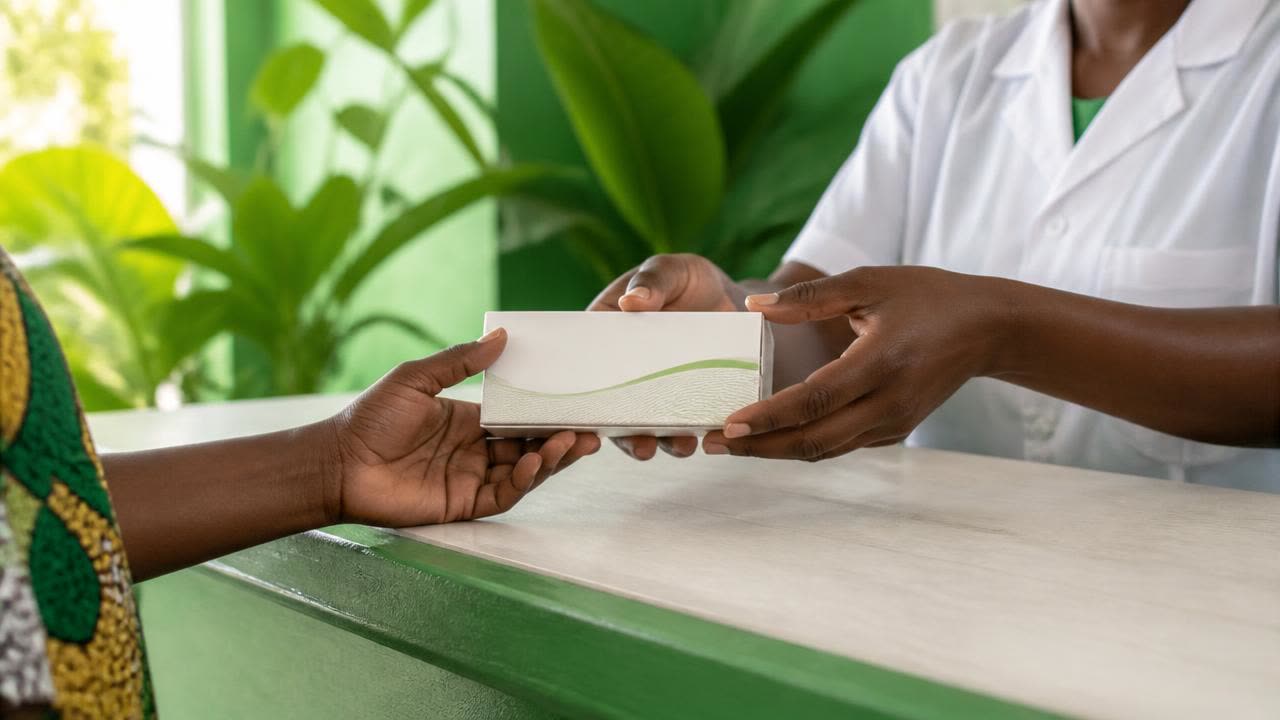

A dispenser handing a boxed antimalarial course across a counter to a customer

Can a household afford the test and the treatment?

85.0%

Pilot target 80%

Share of subsidised units sold at or below the approved retail price, measured on the price paid recorded at each dispense.

A supervisor checking stock on the shelves during a visit to a community pharmacy

Is the commodity on the shelf when someone arrives?

85.0%

Pilot target 90%

Outlets reporting no stock-out of a subsidised test or course over a 30 day window, from the stock position each outlet reports.

Programme finance and private sector representatives reviewing figures together at a table

Is the money accounted for?

97.4%

Pilot target 95%

Transactions captured digitally rather than on paper. 321,847 dispense events carry a verification, and only those are payable against a claim.

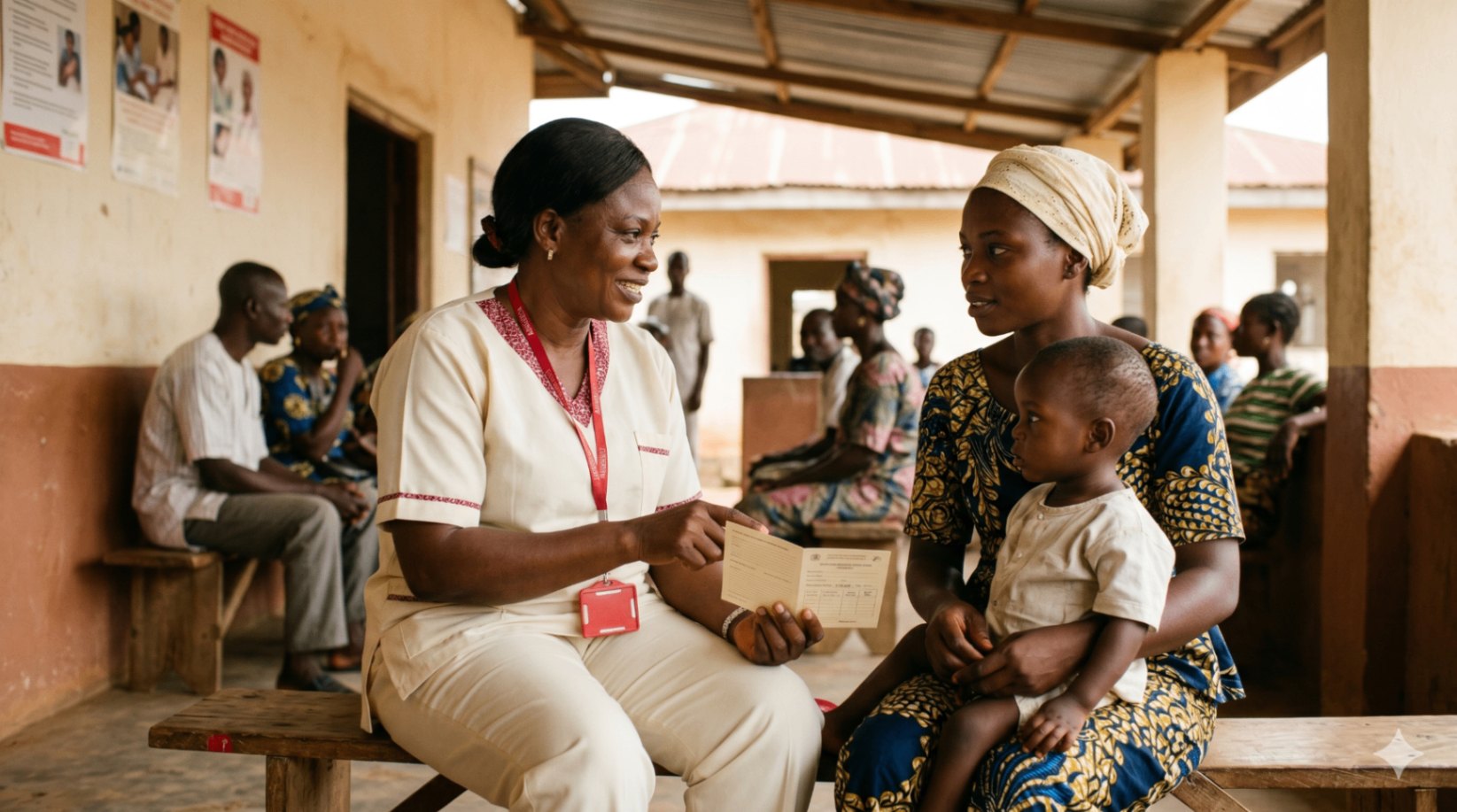
A community health worker counselling a mother holding a treatment card

Did people actually get better?

63.0%

Pilot target 60%

Day 10 follow-up completion against clients tested. Of the follow-up surveys answered in the granular record, 92% report symptoms improved.

One pack, five custody points

Release, dispatch, receipt, dispense and verification are recorded as events against a single serialised pack, which is what allows a figure to be walked back to it.

  1. Released
  2. Dispatched
  3. Received
  4. Dispensed
  5. Verified

12,465 recorded events and 2,160 daily aggregate rows come from one record, so a figure on this page and the custody chain of a single pack reconcile with each other.

A ₦2.04bn facility, evidenced down to a single malaria test

ADMFm

This site is a draft preview of the ADMFm portal and is still under development. Figures, photography and partner details are synthetic and are shown for demonstration only. The photographs are illustrative, produced for this demonstration, and depict no real programme participants, patients or staff.